The KWYAB Standard for Smart Home Ecosystems
In the current market, the tech industry treats the smart home as a playground for half-baked gadgets and planned obsolescence. Brands push “smart” features into every possible appliance, often ignoring the fundamental requirements of stability, security, and cross-platform compatibility. Our approach to home automation fundamentally rejects this “gadget-first” narrative. We focus strictly on ecosystem reliability, local control, and long-term utility.
Whether you are starting with a single voice assistant or architecting a fully automated estate, every component must contribute to a cohesive system. A smart home is only as strong as its weakest link—usually a proprietary bridge or a poorly optimized cloud dependency. We analyze the entire automation landscape to ensure you invest in a foundation that actually works when the internet goes out.
Real-World Utility Over Gimmicks
Our testing methodology is designed to expose the friction points that marketing materials gloss over. When we evaluate smart home technology, we look for the architectural truths that dictate daily use:
- Protocol Stability (Matter, Thread, Zigbee): We prioritize devices that use standardized, low-latency protocols over proprietary Wi-Fi-clogging alternatives.
- Privacy and Local Execution: We look for “local-first” solutions that keep your data off corporate servers and ensure your lights turn on even without a cloud connection.
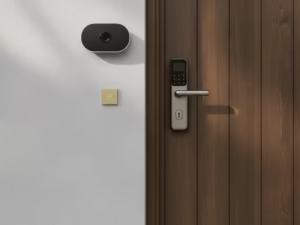
- Ecosystem Interoperability: We test how well devices play with others. If a “smart” lock doesn’t talk to your existing security system or preferred hub, it isn’t truly smart.
- Physical Build and Longevity: Smart hardware is still hardware. We inspect the quality of sensors, the tactile feel of switches, and the battery efficiency of wireless components.
Building a Reliable Automated Foundation
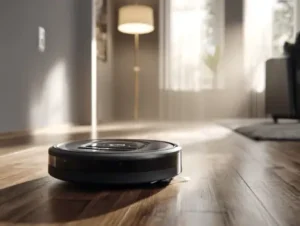
The modern smart home encompasses a vast array of interconnected categories. From the central hubs and speakers that act as the “brain,” to the lighting and security systems that serve as the “senses,” every layer must remain responsive. We evaluate smart appliances, networking gear, and environmental controls through a lens of “set and forget” reliability.
We do not care about flashy touchscreens on fridges or aggressive “AI” marketing unless they solve a legitimate problem. If a smart home device requires a weekly reboot or forces you into a restrictive subscription model just to access basic features, we will call it out. Your home should work for you, not the other way around. Explore our comprehensive evaluations to find the exact tools you need to build a robust, uncompromising automated environment.